While falls are not unusual in robotics development, a specific hand motion has raised questions about the current level of autonomy in Tesla’s system.
“It defies the imagination. One chip, one chip that Tesla has developed in recent history here could take the place of pretty much any major computer that might’ve been hanging around in the early 2000’s. These advancements are things that will save lives.”
This is what serious business analysts were saying about Tesla’s Dojo project - an advanced AI supercomputer that would run Tesla’s full self-driving and Optimus (bots) technology. It would have Tesla-designed chips that are better than anything out there. Morgan Stanley valued Dojo alone at ~$200 billion (Toyota’s market cap is ~$250 billion). Dojo was very quietly cancelled a couple of months ago, everyone was fired. Serious analysts didn’t care, they just slapped a $200 billion higher valuation on Optimus instead and called it a day. Elon said a couple of months ago that Optimus bots are no longer being remotely operated. Nothing matters.
One chip, one chip that Tesla has developed in recent history here could take the place of pretty much any major computer that might’ve been hanging around in the early 2000’s
One chip, one chip that Tesla has developed in recent history here could take the place of pretty much any major computer that might’ve been hanging around in the early 2000’s.
Someone with a few thousand dollars for materials and the right machinery can manufacture chips that would have been high-end in the 80s in their garage. Chips comparably powerful to ones that would have cost thousands in the early 2000s can be had for like $30 now. Tesla being able to manufacturer cheap old chips wouldn’t be impressive even if it were true, which as you put out it’s not even true.
According to natopedia, the fastest computer in the world in 2000 was ASCI White at the Lawrence Livermore National Laboratory, which could do 4.93 teraflops at the time.
I recently got an RX 9060 XT, a midrange graphics card. It can do 25.64 teraflops.

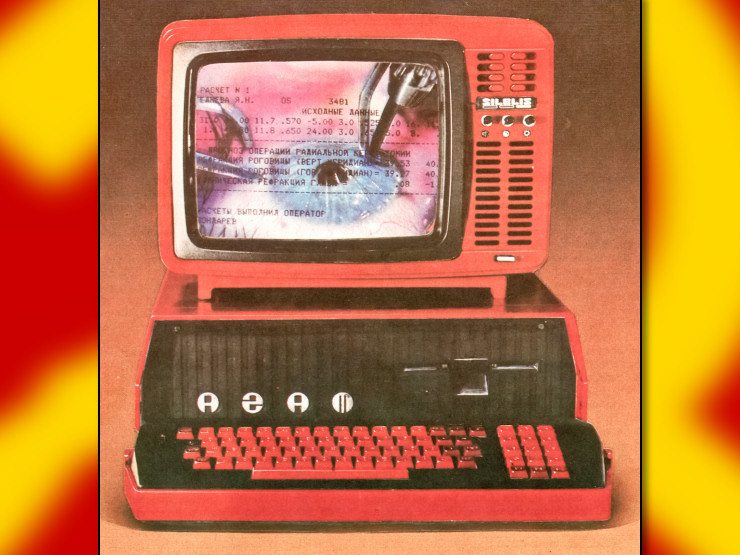
This is what serious business analysts were saying about Tesla’s Dojo project - an advanced AI supercomputer that would run Tesla’s full self-driving and Optimus (bots) technology. It would have Tesla-designed chips that are better than anything out there. Morgan Stanley valued Dojo alone at ~$200 billion (Toyota’s market cap is ~$250 billion). Dojo was very quietly cancelled a couple of months ago, everyone was fired. Serious analysts didn’t care, they just slapped a $200 billion higher valuation on Optimus instead and called it a day. Elon said a couple of months ago that Optimus bots are no longer being remotely operated. Nothing matters.
welp somebody doesn’t know how their phone works
Someone with a few thousand dollars for materials and the right machinery can manufacture chips that would have been high-end in the 80s in their garage. Chips comparably powerful to ones that would have cost thousands in the early 2000s can be had for like $30 now. Tesla being able to manufacturer cheap old chips wouldn’t be impressive even if it were true, which as you put out it’s not even true.
According to natopedia, the fastest computer in the world in 2000 was ASCI White at the Lawrence Livermore National Laboratory, which could do 4.93 teraflops at the time.
I recently got an RX 9060 XT, a midrange graphics card. It can do 25.64 teraflops.
Tesla and the AI companies are on full fraud mode right now.